AI and Robotics: How Intelligent Automation is Reshaping Industries
Emily Chen / April 14, 2026
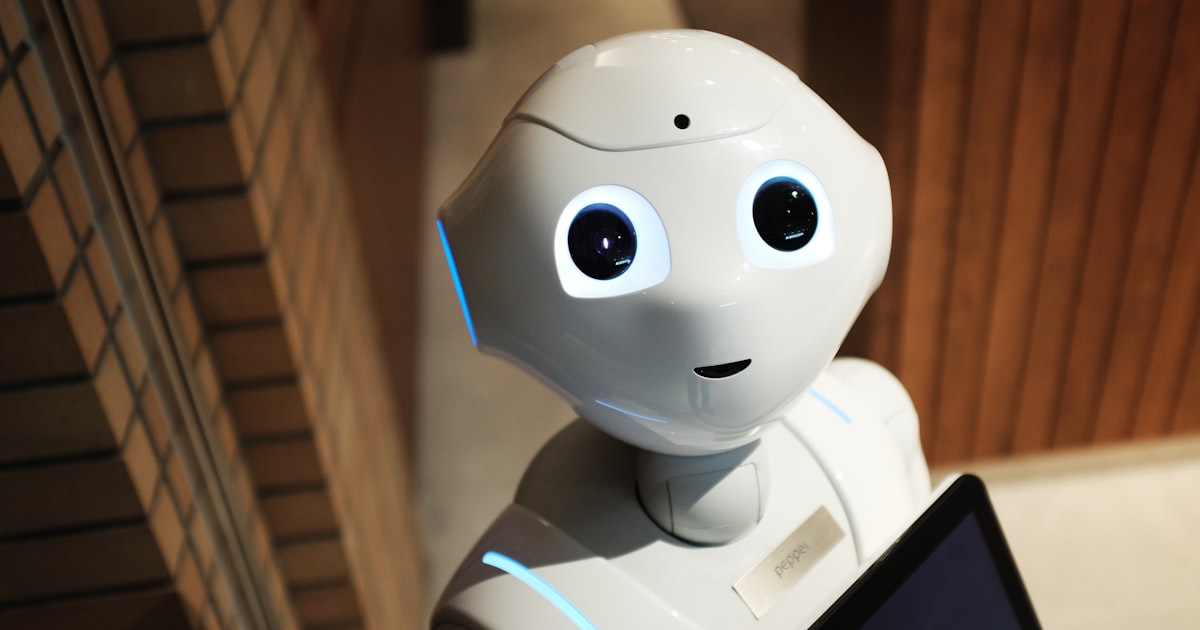
The convergence of artificial intelligence and robotics is creating a new generation of intelligent machines that are transforming industries from manufacturing and logistics to healthcare and agriculture. Unlike the industrial robots of previous decades — machines that could only repeat pre-programmed movements with mechanical precision — today's AI-powered robots can perceive their environment, make decisions in real time, learn from experience, and adapt to changing conditions. This leap in capability is opening applications that were previously impossible and reshaping how we think about the relationship between humans and machines in the workplace.
The impact extends far beyond factory floors. AI-powered robotic systems are now performing surgery with superhuman precision, exploring hazardous environments too dangerous for humans, sorting and delivering packages in massive fulfillment centers, tending crops on farms, cleaning commercial buildings, and even preparing food in restaurant kitchens. Understanding these developments is essential for business leaders, workers, and policymakers who need to navigate the opportunities and challenges that intelligent automation presents.
The Evolution from Industrial Robots to Intelligent Machines
Traditional industrial robots revolutionized manufacturing by performing repetitive tasks with speed and precision that humans could not match. But these robots were fundamentally limited — they could only execute pre-programmed sequences of movements in carefully controlled environments. Any variation in the position of a part, the lighting conditions, or the task requirements would cause them to fail. They needed extensive safety infrastructure to keep human workers at a distance, and reprogramming them for new tasks required specialized expertise and significant downtime.
AI has transformed these limitations. Modern intelligent robots use computer vision to see and interpret their environment, machine learning to improve their performance over time, natural language processing to understand human instructions, and reinforcement learning to develop new skills through trial and error. They can work alongside humans safely, adapt to variations in their environment, handle objects they have never seen before, and learn new tasks with minimal programming.
This shift from programmed automation to intelligent automation represents a fundamental change in what robots can do. The applications that were previously restricted to highly structured, repetitive tasks in controlled environments can now extend to unstructured, variable, and unpredictable real-world situations. The result is a dramatic expansion of the domains where robotic automation is practical and economically viable.
Manufacturing: The Smart Factory Revolution
Manufacturing has always been the heartland of robotics, and AI is taking factory automation to an entirely new level. Smart factories combine AI-powered robots with sensor networks, digital twins, and predictive analytics to create manufacturing environments that are more flexible, efficient, and resilient than anything previously possible.
Collaborative robots, or cobots, are one of the most significant developments. These AI-powered machines work alongside human workers, handling heavy lifting, precision assembly, and repetitive tasks while humans focus on quality control, problem-solving, and tasks requiring dexterity and judgment. The AI systems that control these cobots can sense human proximity and adjust their speed and force accordingly, making them safe to operate without the cages and barriers that traditional industrial robots require.
Quality control is another area where AI robotics excels. Computer vision systems can inspect products at speeds and accuracy levels impossible for human inspectors, detecting defects measured in fractions of a millimeter and catching issues that might not become apparent until much later in the product lifecycle. These systems learn continuously, becoming more accurate as they process more examples and encounter new types of defects.
Predictive maintenance powered by AI is transforming how factories manage their equipment. Instead of following fixed maintenance schedules or waiting for machines to break down, AI systems analyze sensor data from equipment in real time to predict failures before they occur. This approach reduces unplanned downtime by up to fifty percent and extends equipment life by ensuring maintenance is performed precisely when needed — not too early and not too late.
Logistics and Warehousing: The Fulfillment Revolution
The explosive growth of e-commerce has created enormous demand for faster, more efficient order fulfillment. AI-powered robotics is meeting this demand with autonomous systems that can pick, pack, and sort products with remarkable speed and accuracy. Modern fulfillment centers deploy fleets of autonomous mobile robots that navigate warehouse floors, transporting shelving units to human pickers or picking items directly using sophisticated grasping systems.
The AI behind these systems solves complex optimization problems in real time — determining the most efficient routes through the warehouse, predicting which products will be ordered together, positioning inventory to minimize picking time, and coordinating hundreds of robots to avoid collisions and bottlenecks. The result is fulfillment operations that can process orders several times faster than traditional manual operations while maintaining accuracy rates above ninety-nine percent.
Last-mile delivery is the next frontier. Autonomous delivery robots and drones are being tested and deployed in cities around the world, promising to reduce delivery costs and times while addressing the chronic shortage of delivery drivers. While regulatory and technical challenges remain, the trajectory is clear — AI-powered autonomous delivery will become a standard part of the logistics infrastructure within the next few years.
Healthcare: Precision and Accessibility
AI-powered robotics is having a profound impact on healthcare, from surgical robots that operate with superhuman precision to automated laboratory systems that accelerate diagnostic testing. Surgical robots guided by AI can perform minimally invasive procedures through incisions measured in millimeters, resulting in less pain, faster recovery, and better outcomes for patients. The AI component assists surgeons by providing real-time imaging, predicting tissue behavior, and in some cases autonomously performing routine steps of a procedure.
Beyond the operating room, AI robots are being deployed in pharmacies to dispense medications with perfect accuracy, in hospitals to transport supplies and reduce the burden on nursing staff, in rehabilitation facilities to provide consistent and personalized physical therapy, and in elder care facilities to assist with daily activities and provide companionship. These applications address critical healthcare workforce shortages while improving the quality and consistency of care.
Agriculture: Feeding the Future
Agriculture faces a fundamental challenge — producing more food for a growing global population with fewer workers, less water, and less arable land, all while reducing environmental impact. AI-powered agricultural robots are emerging as a key part of the solution. Autonomous tractors and planters can work around the clock with GPS precision. Harvesting robots use computer vision to identify ripe produce and pick it without damage. Weeding robots can distinguish between crops and weeds, applying targeted treatment to individual plants instead of spraying entire fields.
The precision agriculture revolution enabled by AI robotics reduces water usage, minimizes pesticide and fertilizer application, increases yields, and reduces labor requirements. For an industry facing chronic labor shortages and increasing environmental pressure, these capabilities are not just convenient — they are essential for long-term sustainability.
The Human Side of Intelligent Automation
The rise of AI-powered robotics inevitably raises questions about the impact on human workers. History shows that automation consistently creates more jobs than it eliminates, but the transition period can be difficult for individuals and communities whose existing skills become less valuable. Responsible deployment of AI robotics requires proactive investment in workforce training, thoughtful transition planning, and policies that ensure the economic benefits of automation are broadly shared.
The most successful implementations of AI robotics are those that augment human capabilities rather than simply replacing human workers. When robots handle the dangerous, repetitive, and physically demanding tasks, human workers can focus on the creative, interpersonal, and judgment-intensive work that they do best. This collaborative model — humans and robots working together, each contributing their unique strengths — is not just more humane than full automation. It is also more effective and more resilient.
Looking Ahead
The pace of innovation in AI robotics shows no signs of slowing. The next decade will bring robots that are more capable, more affordable, more adaptable, and more deeply integrated into every industry. Businesses that begin exploring and adopting these technologies today will be well-positioned to capture the productivity gains and competitive advantages they offer. Those that wait risk being left behind by competitors who move faster. The intelligent automation revolution is not coming — it is already here, and it is accelerating.